This article was translated from Japanese using AI. Read the Japanese original
The Antiquarian Horological Society (AHS) is a British learned society that studies the history of clocks, watches and time measurement and makes its findings and sources available for future research. Founded in 1953, it pursues this work through its quarterly journal Antiquarian Horology, lectures and visits, specialist groups, a library and an archive. The society studies timekeepers and the people who made and used them. Product accuracy certification falls outside its remit.1
Founding and organisation#
The London Archives dates the founding of the AHS to October 1953. Companies House gives the registered name as ANTIQUARIAN HOROLOGICAL SOCIETY(THE), the company number as 00541551 and the date of incorporation as December 4, 1954. Its legal form is a company limited by guarantee without share capital. Its registered address, checked on November 7, 2026, was 4 Lovat Lane, London. The society’s website also gives its registered charity number, 260925.2 3 1
Frank Knowles-Brown was the first chair and served from 1953 to 1961. Later chairs included Theodore Camerer Cuss and Charles Drover. James Nye has chaired the society since 2015. The presidency is a separate office. Lord Harris, Nicholas Goodison, Arnold Wolfendale and Lisa Jardine held it before Patricia Fara, who has served since 2016. A council elected by members governs the society, supported by its administrative, editorial, library and archive staff and officers.4 1
The society’s aims include studying the arts, technology and history of time measurement, disseminating original research and preserving timekeepers and related artefacts. Its work combines examination of inscriptions and components with research in account books, publications and correspondence.1
A journal that builds a record of horological history#
The quarterly Antiquarian Horology has been published since 1953. It carries research papers, book reviews, meeting reports and correspondence and is sent to members. It publishes separate instructions for authors and guidance for referees.5 6
Two indexes help readers find research. One lists article titles from the first issue onward, and the other combines the indexes to individual volumes into a searchable PDF. Readers can discover a topic in the title list and follow it into the detailed index or the article. As checked in the membership and index pages on November 7, 2026, the searchable journal archive begins with the first issue of 1953 and runs up to two years before the present. Members receive recent issues in print.7 8
The society also helps readers find older technical sources. Its public research resources include an index compiled by Jonathan Betts to Thomas Earnshaw’s 1808 book, original material on John Harrison, and publications that transcribe and study James Upjohn’s manuscript. Images of originals, transcriptions, interpretations and indexes serve different purposes and make older documents easier to find, read and verify.9
Three specialist groups#
Electrical horology#
The Electrical Horology Group studies time measurement that uses electricity. Alongside lectures and visits, it publishes a separate series of Technical Papers on topics too specialised for the main journal. The group says more than 100 papers have appeared and are available to members in a searchable archive.10
Subjects include spark suppression at contacts, current control in electric clocks, master clocks, quartz clocks and atomic time. Power supplies, contacts, wiring and synchronisation are also part of horological history alongside gears and escapements. The public research resources include a technical document on setting up the Synchronome, in which a master clock sends time signals to multiple subsidiary clocks.10 9
Surveying and recording turret clocks#
The Turret Clock Group arranges visits, meetings and lectures about large clocks installed in buildings. It maintains a turret-clock database for members and provides a way for people to contribute information. The group investigates individual clocks on site and records the results.11
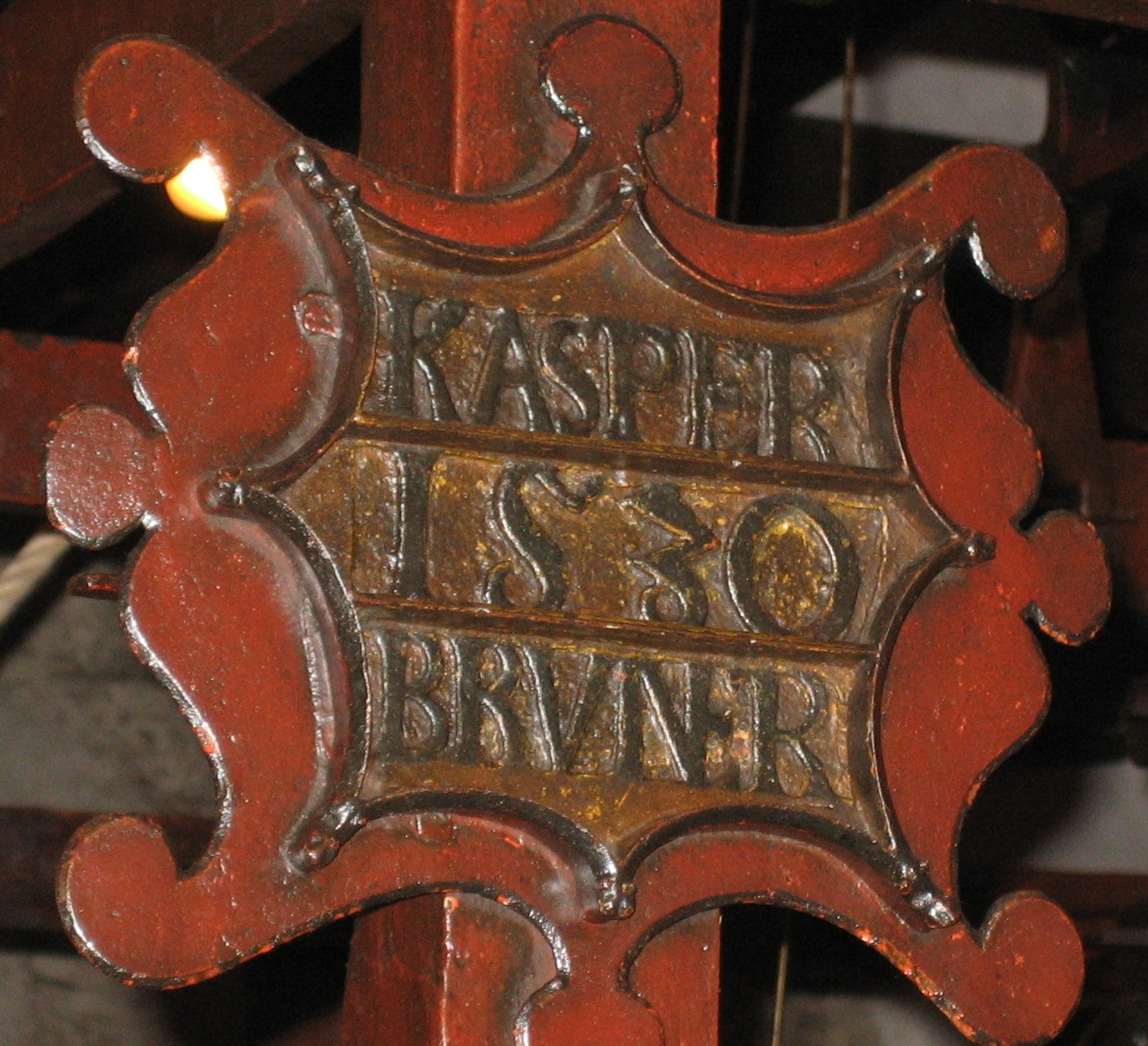
Figure 1. Nameplate of the Zytglogge clock in Bern. According to the image description, it was photographed on the AHS study tour of Switzerland in 2008. Photograph by Fortunat Mueller-Maerki. Source: Zytglogge-Bern-MakersNameplate.jpg (Wikimedia Commons). Licence: CC BY-SA 3.0. Unmodified.

Recording a maker’s name and date, as in the photograph, helps to trace a clock’s history alongside examination of the mechanism.
Research and discussion on wristwatches#
The Wristwatch Group first met on October 29, 2015, at the Breguet boutique in London. In the meeting report published in January 2016, a collector, a case restorer, a museum curator and a retail representative discuss originality in wristwatches. The report also covers the difference between repairing a watch to keep it in use and conserving it with minimal intervention as a historic object.12
Wristwatches provide a field of research that crosses manufacturing technology, restoration, owners’ use and museum conservation alongside model references and market prices.12
The library and the archive#
The AHS library is housed in Guildhall Library in London. A shared online catalogue covers printed books in the AHS, Clockmakers and Guildhall libraries. The official guidance says the books are for reference and asks prospective readers to check access with Guildhall directly.13
The archive at AHS headquarters preserves research notes, manuscripts, photographs, catalogues, repair records and correspondence. The society says it amounts to about 80 metres of shelving and files donations and bequests under the original collector’s name where possible. This preserves records from the process of research alongside the finished publications.14
The AHS collection CLC/002 at The London Archives contains the society’s minutes, membership lists and publicity material, as well as items including Benjamin Gray’s diary for 1704–1726. A later learned society thus preserves and deposits the records of earlier makers. The collection has a stated access restriction requiring the society’s permission.2
Awards supporting research and skills#
The AHS supports education and research through awards as well as publications. Established in 1994 to encourage new writers, the Percy Dawson Medal now recognises outstanding articles in the journal from any author. The Dr Alan Shenton Award, established in 2004, recognises outstanding journal articles about time measurement from 1840 onward.15
Awards are also available to students at Birmingham City University and West Dean College. The criteria checked on November 7, 2026, value the research and sources used and a written account of design and manufacture, alongside the finished work. The society connects the study of historic objects with making and writing about them.15
Timeline#
| Date | Event |
|---|---|
| October 1953 | The AHS is founded. The journal also begins publication in 1953.2 5 |
| December 4, 1954 | Incorporated as a company limited by guarantee.3 |
| 1961 | Camerer Cuss succeeds Knowles-Brown as chair.4 |
| From 1983 | Cedric Jagger deposits records as an officer of the society.2 |
| 1994 | The Percy Dawson Medal is established.15 |
| 2000 | The early AHS website goes online.1 |
| 2004 | The Dr Alan Shenton Award is established.15 |
| 2015 | James Nye becomes chair. The Wristwatch Group holds its first meeting in October.4 12 |
| 2016 | Patricia Fara becomes president.4 |
| Checked November 2026 | The quarterly print journal, digital access to issues from 1953 to two years before the present, three specialist groups, library and archive remain active.8 14 |
References#
All sources accessed November 7, 2026.
- AHS, About us.
2. The London Archives / AIM25, ANTIQUARIAN HOROLOGICAL SOCIETY, CLC/002.
3. Companies House, Company 00541551 overview.
4. AHS, Former postholders.
5. AHS, The Journal.
6. AHS, Contributor guidance.
7. AHS, Indexes for Antiquarian Horology.
8. AHS, Join us or renew membership.
9. AHS, Research resources.
10. AHS, Electrical Horology Group.
11. AHS, Turret Clock Group.
12. AHS, Wristwatch Group.
13. AHS, The AHS Library.
14. AHS, Discover the AHS Archive collections.
15. AHS, Prizes and awards.