This article was translated from Japanese using AI. Read the Japanese original
The British Horological Institute (BHI) is a UK membership organisation that supports education and exchange among people who make, service and restore clocks and watches. Established in 1858, it teaches the theory and practice of horology through distance learning, practical courses, examinations and its monthly Horological Journal. Its members include professionals and people who pursue horology as a hobby.1
Origins and premises#
The BHI’s official history traces its origins to mid-nineteenth-century debates over the British clock and watch industry. In 1857 John Bennett, who called for improvements in training and production to meet foreign competition, took part in a public debate with Edward Daniel Johnson, a clock, watch and chronometer maker in Clerkenwell. Johnson envisaged a professional organisation for horology. The BHI was proposed and founded at a meeting at the Belvedere Tavern in Clerkenwell on June 15, 1858. This account comes from the institute’s later history.2
Its founding aims included advancing horology, fostering the skills involved in manufacture and encouraging excellent work. A library and reading room, collections of tools, models and machinery, lectures and presentations of papers were envisioned as means to those ends. From the outset the institute sought to connect workshop practice with reading and discussion.2
Companies House records its registered name as BRITISH HOROLOGICAL INSTITUTE LIMITED(THE), company number 00130649, and its incorporation date as August 14, 1913. It is a company limited by guarantee without share capital. On November 8, 2026, its status was shown as Active, and its registered address as Upton Hall in Nottinghamshire.3
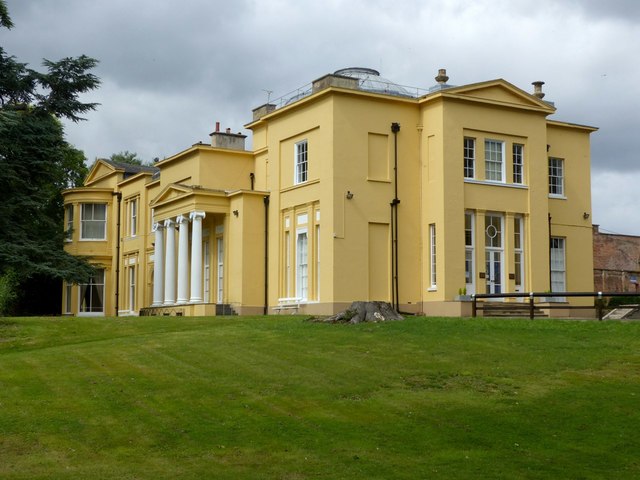
Figure 1. Upton Hall, the BHI’s premises. Photograph by Alan Murray-Rust, August 23, 2020. Source: Geograph: Upton Hall. Licence: CC BY-SA 2.0. Unmodified.
The BHI’s history links the move to the cost of maintaining its war-damaged London premises. The institute moved its offices, workshops, collections, library and other facilities to Upton Hall in 1972. According to the Historic England listing, the Grade II* hall was built in 1832 and incorporates part of a seventeenth-century building. Upton Hall is still shown as the institute’s official contact address.2 4 5
Membership and recognition of skills#
The membership information checked on November 8, 2026, lists three individual grades: Associate, Member of the BHI (MBHI) and Fellow of the BHI (FBHI). Associate membership is open worldwide without prior qualifications. Listed benefits include the journal, digital access to back issues, a members’ forum and the option of taking examinations.6
The MBHI and FBHI grades recognise skills and knowledge assessed by the institute. Candidates show competence through examination passes, workshop experience and similar evidence. The Upgrading Committee reviews applications first.6
The BHI considers each application from overseas individually. It cannot always assess the standards of education and qualifications in other countries accurately, so it does not guarantee recognition to overseas applicants.6
Distance learning and practical courses#
The BHI’s Distance Learning Course (DLC) is designed for study at home at the workbench. The foundational Technician Grade covers the theory and practice of servicing and repairs, techniques for making small parts, and examination syllabuses and practice questions. The course is preparation for the examinations, through which qualifications are obtained.7
Students must also prepare a workspace and hand tools. The optional Tutor Feedback service lets them send answers to theory questions and examples of practical work to a tutor for marking and advice. The course pairs written study with assessment of work the students make themselves.7
Intermediate and Final Grade follows Technician Grade and covers more advanced work. In addition to making and design, servicing and repairs, restoration and conservation, it covers the geometry used to draw escapements. An escapement controls the movement of the wheel train in steps while delivering energy to a pendulum or balance. Drawing its geometry helps students understand the mechanism and make the components.8
The advanced materials are presented as preparation for the EAL/BHI examinations in Level 4 servicing and repair and Level 5 repair, restoration and conservation. According to the official account, EAL issues the qualification certificate on completion, while the BHI issues interim certificates showing the units earned through individual examinations.8
In-person courses also cover specific practical operations. The course list checked on November 8, 2026, includes servicing and correcting faults in automatic wristwatches, diagnosing faults in cylinder and lever platform escapements, drawing escapements including the Graham type, and designing and making a deadbeat escapement. Students can progress from introductory to specialist work in both clocks and watches.9
Sharing knowledge through the Horological Journal#
The monthly Horological Journal (HJ) began publication in September 1858. The BHI describes it as publishing peer-reviewed papers on making, servicing, repairing, restoring and conserving historical and modern timekeepers. It covers tower clocks and electric and electronic timekeepers as well as mechanical clocks and watches. Members receive each monthly issue, and selected articles appear on the website as the Article of the Month.10
The public article for November 2026, for example, is Adrian van der Meijden’s account of the revival of IWC pocket watches. The journal thus covers the history of products and the industry alongside practical skills. Public access extends to the selected article, while complete current and back issues are available to members.10
Local branches spread after the Second World War. Each organises its own meetings and lectures. Specialist teaching materials, the monthly journal and local meetings offer access to knowledge and advice that can be hard to obtain in an individual workshop.1
Collections, library and education#
Upton Hall also houses the Museum of Timekeeping. Its website identifies it as a Charitable Incorporated Organisation (CIO), registered charity number 1176495. The BHI’s contact page directs museum enquiries to the museum.11 5
The membership information says that access to the museum collections, library and archive is by prior arrangement. These resources connect education with collecting by giving people a place to study older mechanisms, consult writings and learn how to make decisions about servicing and conservation. The museum’s current guidance covers visits and access to materials separately from course attendance.6
The BHI’s place in horological history rests on training people to rebuild timekeepers, diagnose their operation and explain the reasons for a repair, and on recording and exchanging that knowledge through writing and membership. Distance learning, practical courses, examinations and the journal continue the nineteenth-century aim of improving skills.2 7 8 10
Timeline#
| Date | Event |
|---|---|
| 1857 | Public debate between Bennett and Johnson, described in the official history as part of the background to the BHI.2 |
| June 15, 1858 | The BHI is proposed and founded at a meeting in Clerkenwell.2 |
| September 1858 | The Horological Journal begins publication.10 |
| August 14, 1913 | The present registered company is incorporated.3 |
| After the Second World War | Local branch activity expands.1 |
| 1972 | The offices, workshops, collections, library and other facilities move to Upton Hall, according to the official history.2 |
| Checked November 8, 2026 | Official pages describe the DLC, practical courses, recognised membership grades and publication of the HJ.6 7 8 9 10 |
References#
The websites below were accessed November 8, 2026. Descriptions of current arrangements are based on the information available that day.
- British Horological Institute, The BHI Today.
- British Horological Institute, History of the BHI.
- Companies House, BRITISH HOROLOGICAL INSTITUTE LIMITED(THE), 00130649.
- Historic England, Upton Hall, List Entry 1179760.
- British Horological Institute, Contact Us.
- British Horological Institute, Individual Membership.
- British Horological Institute, Distance Learning Course – Technician Grade.
- British Horological Institute, Distance Learning Course – Intermediate and Final Grade.
- British Horological Institute, Courses & Materials.
- British Horological Institute, What is the Horological Journal?.
- Museum of Timekeeping, official website.