This article was translated from Japanese using AI. Read the Japanese original
Geneva’s watchmaking culture grew from the combination of precision mechanics, the crafts of case decoration and enamelling, efforts to formalise quality standards, and long-distance trade. This article focuses on the present-day Swiss city of Geneva and its ties to manufacturing and education in the surrounding area. For places to visit and access information, see the Geneva travel guide.
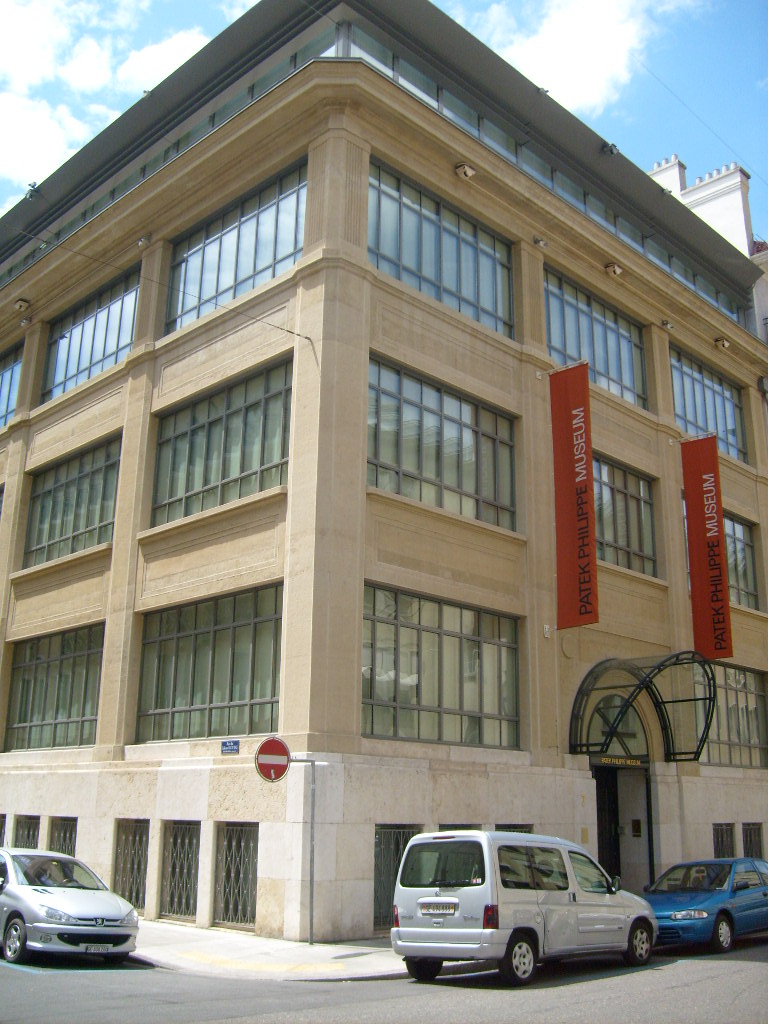
Figure 1. The museum occupies a former case and bracelet workshop. Photograph by Mourad Ben Abdallah (Moumou82). Source: Wikimedia Commons. Licence: CC BY-SA 3.0. Unmodified.

Geography and the wider region#
The city’s setting on Lake Geneva has made its public spaces a stage for watchmaking culture. The flower clock in the Jardin Anglais is one of its symbols. Present-day manufacturing and vocational education extend well beyond the historic city centre. The watchmaking school is now in Plan-les-Ouates within the canton, while Rolex has its headquarters and a manufacturing site in Les Acacias. Lakeside shops, outlying factories and places of training each occupy a different part of the metropolitan area.2 4 7
Religious migration and the meeting of crafts#
According to Estelle Fallet and Béatrice Veyrassat in the Historical Dictionary of Switzerland, Huguenot refugees who arrived from 1550 onward brought skills in making portable timepieces, which took root alongside Geneva’s established goldsmithing and silversmithing trades. The foundation of the watchmakers’ guild in 1601 marked a step in organising these trades.1
The industry developed through the interaction of immigrant skill, existing crafts, trade organisations, production and distribution. Early portable timepieces were both instruments for telling time and prized objects fashioned with precious metals and decoration. This combination of mechanics and decoration became one of the hallmarks of Geneva watchmaking.1 6
The Fabrique and the division of work among shops#
Case makers and engravers increasingly specialised from the late seventeenth century. Their trade organisations were formed in 1698 and 1716, respectively. The term cabinotiers refers to artisans working in small workshops, while the Fabrique united the watchmaking and jewellery trades. Both terms help explain how work was divided among workshops.1 10
According to the Historical Dictionary of Switzerland, Geneva concentrated on finishing from the end of the seventeenth century and ordered unfinished movements from the neighbouring Jura, the Pays de Gex and Faucigny. Parts manufacture, decoration, final adjustment and sales were divided across regions. Geneva’s reputation drew on these production and trading ties as well as on the skills within the city.1 10
The dictionary also describes restrictions on women’s entry into the trades and their work making chains. French annexation in 1798 and the abolition of the trade organisations marked a turning point for the production system.1
How the city established accurate time and standards of quality#
A reference time is needed to assess a watch’s accuracy. According to the University of Geneva’s history of the observatory, the first observatory was built in the spring of 1772 on the Saint-Antoine bastion. Deriving accurate time from astronomical observations, maintaining it and providing it to watchmakers were among its early duties. A scientific institution that could measure watches supported the workshops that made them.3
Today’s Geneva Seal (Poinçon de Genève) ties the reputation of the place name to verifiable requirements. The 2026 technical regulations require the movement and any additional modules to be assembled, adjusted and cased in the canton, and the completed watch to be tested there. The rules cover the location of applicants in the canton and audits of parts and processes. They distinguish between approval of the mechanism and certification of the finished watch.5
Alongside the appearance of the decoration, the rules cover daily rate, water resistance, power reserve and functional checks.5
Education and architecture#
The Geneva School of Watchmaking began in 1824, when the industrial section of the Société des Arts set up a school. The Federation of the Swiss Watch Industry’s bicentenary article describes the 2023 move to a new facility in Plan-les-Ouates and a curriculum that connects watchmaking with micromechanics. Students make and supply parts for one another and assemble them, so they learn from the outset what their counterparts in other trades need.2
The former school building is itself evidence of this history. In May 2026 the canton announced that it had added the former watchmaking school, which fronts Rue Necker and Rue des Terreaux-du-Temple, to its inventory of buildings worthy of protection. Built in the late 1870s, it had large windows and classrooms arranged to provide daylight for precision work. The light, routes through the building and relative positions of classrooms and workshops also show the conditions needed for vocational instruction.8
The museum building preserves a different part of manufacturing history. According to Patek Philippe’s visitor guide, the building was acquired in 1975 to manufacture cases and bracelets. After production moved to Plan-les-Ouates in 1996, the building was restored and extended, and it opened to visitors in November 2001. A former production space with large windows became a place to preserve and interpret the objects the industry made.9
Manufacturing today and preserving historic objects#
Rolex says that its Les Acacias site houses headquarters functions, design, research and development, final assembly of components made at other sites, and testing. The division of work among different sites within one company helps explain what “made in Geneva” means today.7
The Patek Philippe Museum is one of the main institutions preserving this heritage. Its collection includes Patek Philippe’s own watches and historic timepieces, enamels and automata from Geneva, Switzerland and elsewhere in Europe.6
Timeline#
| Date or period | Event in Geneva watchmaking culture |
|---|---|
| From 1550 | Watchmaking skills brought by religious refugees combine with the city’s goldsmithing and silversmithing trades.1 |
| 1601 | The watchmakers’ guild is founded.1 |
| 1698 and 1716 | Case makers and engravers, respectively, establish trade organisations.1 |
| 1772 | The first observatory is built and supplies reference time to the watchmaking trade.3 |
| 1798 | France annexes Geneva and the trade organisations are abolished.1 |
| 1824 | The school that becomes the Geneva School of Watchmaking is founded.2 |
| Late 1870s | The now-protected former watchmaking school building is built.8 |
| 1955 | The flower clock is created in the Jardin Anglais.4 |
| November 2001 | The Patek Philippe Museum opens to the public.9 |
| 2023 | The watchmaking school moves to new premises in Plan-les-Ouates.2 |
| May 2026 | The canton announces protection for the former watchmaking school.8 |
| October 2026 | The certification rules in force and the collections on public display show how manufacturing, education and preservation both connect and differ.5 6 |
Main sources#
This article draws on historical surveys by specialists and accounts of facilities and standards published by public institutions and companies.
References#
All sources accessed October 22, 2026.
- Estelle Fallet and Béatrice Veyrassat, Uhrenindustrie, Historisches Lexikon der Schweiz, version dated August 11, 2020. A historical overview by specialists.
2. Federation of the Swiss Watch Industry, The Geneva School of Watchmaking turns 200, December 5, 2024.
3. Université de Genève, Au prochain « top », l’Observatoire de Genève fêtera ses 250 ans, Campus, no. 149, 2022.
4. Transports publics genevois, Getting to the Horloge fleurie, undated.
5. Poinçon de Genève / TIMELAB, Règlement du « Poinçon de Genève », version 2.1, 2026 edition, especially pp. 6–7.
6. Patek Philippe, The Patek Philippe Museum, undated.
7. Rolex, Les Acacias, undated. The company’s description of the current site.
8. République et canton de Genève, L’ancienne école d’horlogerie de Genève inscrite à l’inventaire des bâtiments dignes de protection, May 15, 2026.
9. Patek Philippe, Plan your visit — Les Ateliers Réunis, undated.
10. Encyclopédie de Genève, L’industrie — L’horlogerie, la bijouterie, les émaux, digital edition, original publication year unconfirmed, corresponding to pp. 74–78 of the text. A regional history by specialists.