This article was translated from Japanese using AI. Read the Japanese original
In Le Locle, a day’s visit can connect the town where timepieces were made with the mechanisms and decoration inside them. Start at the town hall showroom, walk along streets associated with watchmakers, then head to the hilltop horological museum in the Château des Monts. If you are interested in present-day manufacture, a booked tour of the Zenith factory can be another focus. 1 2 10
Hours, prices and participation conditions were checked against official sources on 23 October 2026. All times are local to Switzerland. From November the museum opens only in the afternoon, so the best order depends on the season. 5
Visits to combine#
| Site | Location and hours | Admission and suggested time |
|---|---|---|
| Time and Town Planning showroom (Espace Temps et Urbanisme) | Hôtel-de-Ville 1, third floor of the town hall. Monday–Friday 7:45–11:30 and 13:30–16:00, Saturday and Sunday 10:00–14:30 | Free. The tourist office suggests 20 minutes 4 |
| Watchmaking trail (Parcours Le Locle horloger) | Starts outside the town hall and takes in 39 sites including watchmakers’ homes and places linked to the industry | Free. Street QR codes and a booklet in French, German and English 2 3 |
| Le Locle Watchmaking Museum (Musée d’horlogerie du Locle, MHL) | Route des Monts 65. May–October, Tuesday–Sunday 10:00–17:00. November–April, Tuesday–Sunday 14:00–17:00 | Adults CHF 10, audio guide CHF 3. The tourist office suggests 1½ hours 5 8 |
| Zenith public factory tour | Rue des Billodes 34. Friday at 9:00, meet at 8:40, booking required | Three hours, CHF 50 per person, maximum eight, minimum age 14 10 11 12 |
The museum is normally closed on Mondays. It opens on public holidays, including Mondays, and closes on 25 December and 1 January. Groups can ask about visits outside normal hours. Tuesday to Sunday allows you to combine the town hall showroom with the museum on normal hours. Check both facilities on public holidays and around the end of the year. 4 5
A day centred on the town and museum#
Visit the town hall showroom around 10:00 and choose the stops that interest you on the trail. After lunch, start the museum at 14:00, when it opens even in winter. This leaves time for both the town and the museum. Allow longer if you plan to complete all 39 stops in the booklet. 2 4 5
From May to October, you can visit the museum in the morning and walk in the afternoon. On a rainy day or if you want less walking, shorten the outdoor portion. The museum itself has stairs, and CFF lists it as unsuitable for wheelchairs and pushchairs. Ask the museum what areas are accessible if you need assistance getting around. 5 13
How homes and workshops were arranged#
Le Locle and neighbouring La Chaux-de-Fonds were listed as the World Heritage site “Watchmaking Town Planning” in 2009. Housing, workshops, factory owners’ houses and later factories stand close together. Their layout records the transition from cottage industry to factory production. On foot, compare the uses and scales of the buildings and how housing sits alongside production sites. 1
The Espace Temps et Urbanisme on the third floor of the town hall explains the links between the industry, daily life and town planning through multimedia displays. Twenty minutes here before setting out can help you see the buildings as part of the town that supported watchmaking. The tourist office lists the showroom as wheelchair accessible. The MHL on the hill is a separate site. 4
The town’s watchmaking trail opened on 16 June 2004. It runs from outside the town hall to the Château des Monts. Its 39 stops trace the town’s horological history through figures including Daniel JeanRichard, the Tissot father and son, Georges Favre-Jacot and Ulysse Nardin. 2 3
Mechanisms and daily life at the Château des Monts#
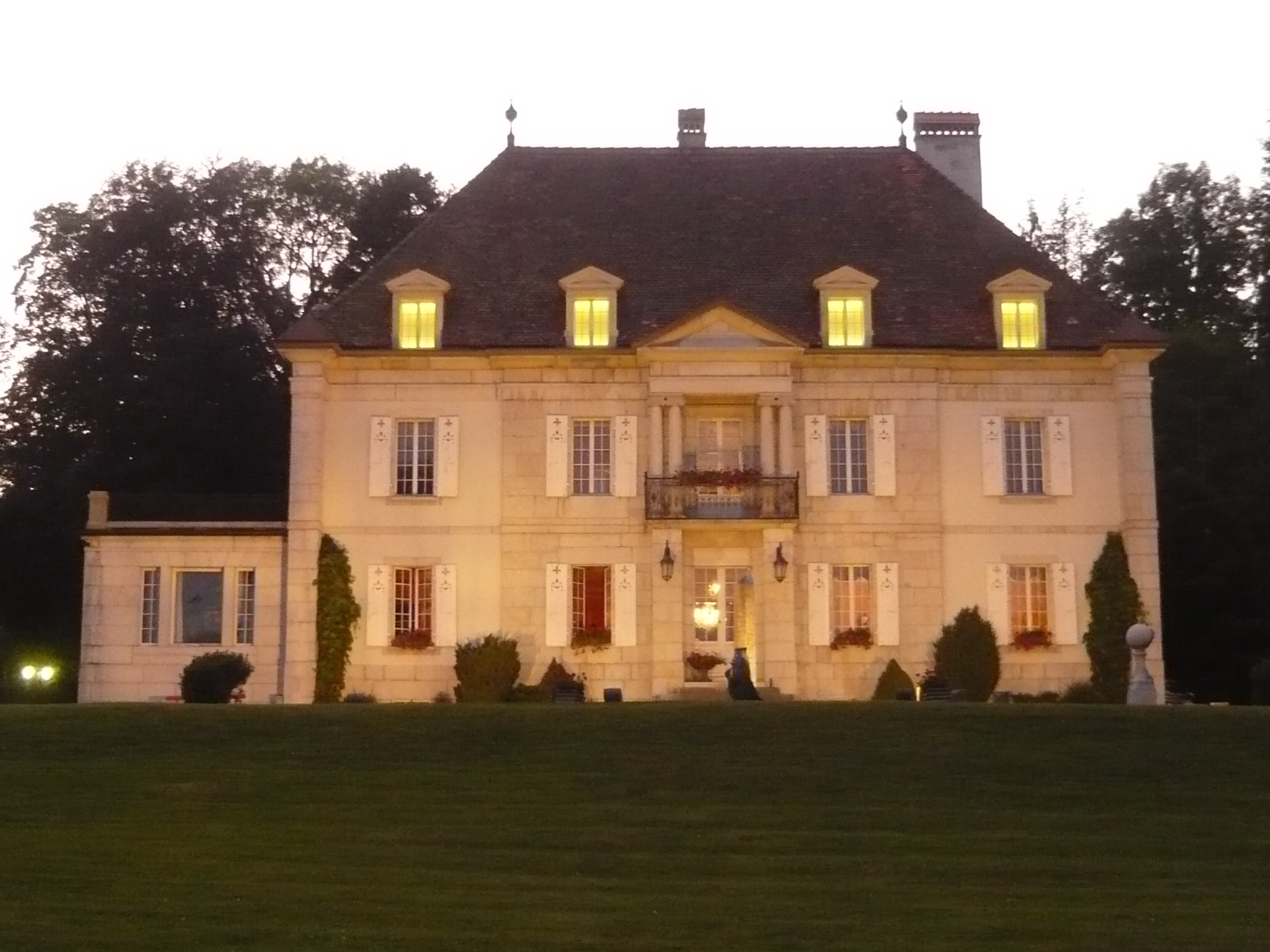
Figure 1. Le Locle Watchmaking Museum at the Château des Monts on 25 June 2011. Photograph by Mirejo, unchanged and available under the same licence. Wikimedia Commons file page CC BY-SA 3.0 Unported

A house built by the watch industry#
Samuel Dubois, a watch-case maker who also assayed precious metals, built the Château des Monts between 1780 and 1790. According to the museum’s building history, Georges Ducommun, founder of Doxa, bought it in 1912 and extended the house and laid out the garden. The town bought it in 1954 and opened it as a watchmaking museum in 1959. The residence of people in the industry became a place to preserve and display their work. 7
The entrance hall is part of that story. The museum presents furniture in the Louis XV and Louis XVI styles to illustrate eighteenth-century life among the region’s wealthy residents. The domestic setting shows a different side of watchmaking from a factory floor. 6
Three ways to look at the exhibits#
In “Les temps de la montre”, look at the parts responsible for power, transmission, regulation and display. Comparing parts with the same role shows how they changed over time. Then visit the Maurice Yves Sandoz room, with eighteenth- and nineteenth-century timepieces, automata and musical mechanisms. These objects show what mechanical devices offered beyond telling the time. 6
Finish with the Neuchâtel clocks and “Les temps du Temps” on the top floor. The first covers local domestic clocks from the eighteenth to the mid-nineteenth century. The second explores ways of understanding time in astronomy, the seasons and social life. Looking at timepieces as instruments, decorative objects and ways of organising daily life connects their mechanisms to the town. 6
The museum also introduces its conservation workshop. Restoring a timepiece includes investigating previous repairs and changes to decoration and documenting its history. Check during your visit whether the work can be seen. Tours require booking, are offered in languages including French, German and English, and take up to 20 people per guide. 6 9
“La haute précision”, a temporary exhibition on precision time measurement, was listed for 21 June 2026 to 3 January 2027. It is part of “Des étoiles aux atomes”, spread across several venues in the canton of Neuchâtel. Check each venue’s listing for its dates. 20
Book Friday first if you want to see production#
Zenith’s public visit follows production from movement design through component machining and assembly. It shows how parts and specialities come together in the workplace, complementing the MHL’s finished exhibits. The three-hour tour starts at 9:00 on Friday, so keep the morning free. 10 11
Book through the tourist office’s Watch Explorer. The usual last-minute booking deadline is 17:00 on Thursday. The tour is in French, with audio guides listed in English, German, Spanish, Japanese and Chinese. Visitors aged 14–17 must be accompanied by an adult. Meet at 8:40 for the 9:00 start. Late arrivals cannot join once it has begun. The listing describes the factory as unsuitable for people with limited mobility because the tour involves walking and stairs. 11 12
Factory operations can lead to cancellation, so check the dates and confirmation before fixing your itinerary. The Friday public tour, Monday–Thursday private tour and “Atelier Chronométrie” with a practical session on the last Friday afternoon of the month are separate offerings. 10 12
On a Friday, you can have lunch after the factory tour and reach the MHL for 14:00. Use any time left for selected stops on the trail. Leaving the full trail or another museum for another day gives more time to look. 5 11
Getting there and places to visit another day#
Uphill or by bus 341 to the museum#
CFF gives about 40 minutes by train from Neuchâtel and nine from La Chaux-de-Fonds. From Le Locle station the museum is about 15 minutes on foot or six minutes by bus 341 to “Le Locle, Château des Monts”. Check the CFF timetable for connections and changes due to engineering work on the date of your visit. 13
The 2026 timetable lists no Sunday service on route 341. The MHL gives MobiCité, which requires booking at 0800 11 23 00, for access on Sundays, public holidays and during the summer holiday. Confirm both directions in advance, especially on Sunday. The museum also says nearby vehicle restrictions do not apply to museum visitors. 5 14 15
Underground mills and local power#
The Moulins souterrains du Col-des-Roches show another side of regional technology. In the seventeenth century the fall of the Bied River into the rock was harnessed to drive waterwheels for milling and other machinery. The permanent exhibition covers water and energy and displays local photographs. 16 19
The address is Le Col 23. The tourist office lists “Moulins souterrains” on bus 381. Allow 1½ hours. Adult admission is CHF 14 including an audio guide. The mills open daily 10:00–17:00 from May through October and Tuesday–Sunday 14:00–17:00 from November through April. The cave is about 7 °C and has many steps. Bring warm clothing and shoes suitable for walking. CFF lists it as unsuitable for wheelchair access. 17 18 13
In winter the MHL and the mills both open from 14:00 to 17:00. With travel and time inside, choose one or spread them over separate days. On 25 October 2026, a municipal commemoration meant that the usual public guided visits at 11:00 and 15:00 and private group bookings were unavailable at the mills. Access with the audio guide was also restricted during concerts at 10:45 and 16:00. Check with the venue if visiting on that date. 5 17
Le Locle’s streets, former residences and factory show different parts of its watchmaking culture. For a first visit, walking from the town hall to the MHL connects the layout of the town with the work of making clocks and watches. The Friday factory tour can take a larger share of the day if your priority is production.
References#
All accessed on 23 October 2026. Use official listings for the date of your visit for opening hours, admission and booking conditions.
- UNESCO World Heritage Centre, La Chaux-de-Fonds / Le Locle, Watchmaking Town Planning. Listing year, description and Outstanding Universal Value.
- Ville du Locle, Parcours horloger. The 39 stops, opening date, start and finish, and trail booklet.
- Tourisme neuchâtelois, Parcours Le Locle horloger, official PDF. Free access, QR codes and booklet languages.
- Tourisme neuchâtelois, Espace Temps et Urbanisme. Exhibits, location, hours, suggested time and access.
- Musée d’horlogerie du Locle, Accueil / Infos pratiques. Hours, fees, closures and access.
- Musée d’horlogerie du Locle, Musée. Galleries and conservation workshop.
- Musée d’horlogerie du Locle, Histoire. Ownership, construction, municipal acquisition and opening as a museum.
- Tourisme neuchâtelois, Musée d’horlogerie. Suggested time, seasonal hours, admission and audio-guide fees.
- Musée d’horlogerie du Locle, Groupes. Tour languages, booking and group size.
- Zenith, Visite de la manufacture. Public tours, private tours, practical sessions and their conditions.
- Watch Explorer and Tourisme neuchâtelois, Public tour of the Zenith Manufacture. Timing, duration, booking, age, languages and price.
- Tourisme neuchâtelois, Visite guidée de l’entreprise horlogère Zenith. Meeting time, late arrivals, cancellations and mobility restrictions.
- CFF, Les incontournables du Pays de Neuchâtel. Travel and visitor times, accessibility and checking service.
- transN, Ligne 341, and the 2026 route timetable linked there. Stops and service days.
- transN, MobiCité. Booking phone and operation.
- Fondation des Moulins souterrains du Col-des-Roches, Histoire. Topography and the beginnings of water-powered milling.
- Fondation des Moulins souterrains du Col-des-Roches, Accueil. Seasonal hours, individual visits, fees and special arrangements for 25 October 2026.
- Tourisme neuchâtelois, Moulins souterrains. Transport, suggested time, temperature, stairs and fees.
- Fondation des Moulins souterrains du Col-des-Roches, Exposition permanente. Themes and local photographic material.
- Tourisme neuchâtelois, Des étoiles aux atomes. Individual venue dates in 2026–2027.