This article was translated from Japanese using AI. Read the Japanese original
On a hill above the Swiss watchmaking town of Le Locle, the Musée d’horlogerie du Locle occupies the eighteenth-century Château des Monts. Visitors can see clocks, watches and automata alongside the rooms where people once lived. The displays trace the roles of power, transmission, escapement, regulation and indication in a pocket watch, connecting how timepieces work with how they look and are decorated. 1 2
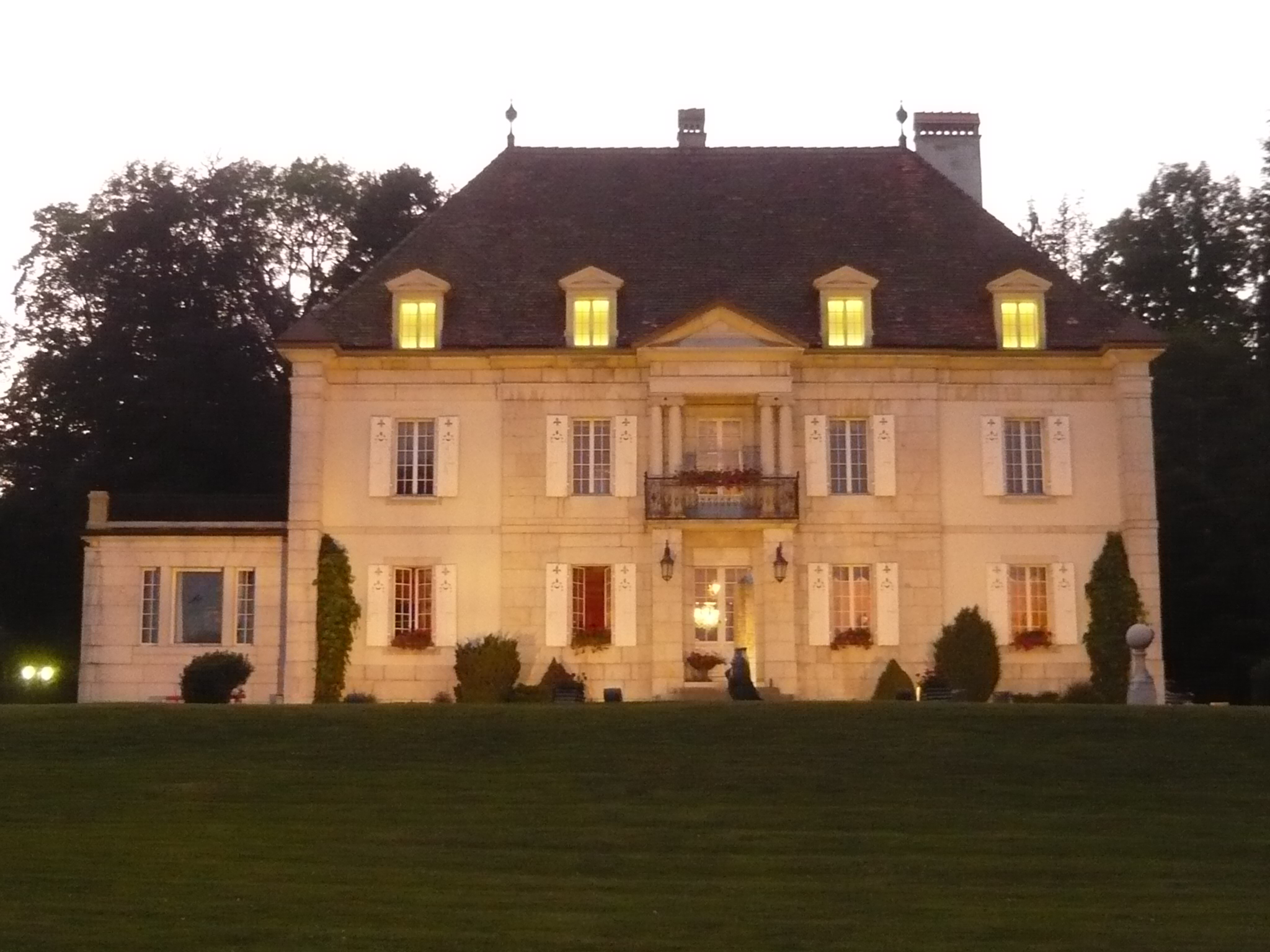
Figure. Château des Monts in 2011. Photograph by Mirejo. Source: Wikimedia Commons file page. Licence: CC BY-SA 3.0 Unported. Unmodified and reproduced under the same licence.

Before you visit#
The address is Route des Monts 65, 2400 Le Locle. The museum lists the Château des Monts stop on bus route 341, and the reservation-only Mobicité service on Sundays, public holidays and during the summer holidays. Check how to book and the service details before setting out. Guided visits must be booked in advance. The museum offers them in French, English and German and invites enquiries about visits outside normal hours. 3 7
Museum hours checked on 6 November 2026 were Tuesday to Sunday, 10:00–17:00 from May to October and 14:00–17:00 from November to April. It opens on public holidays, including Mondays, and closes on 25 December and 1 January. Groups can enquire about visits outside opening hours. The regional tourist office suggests allowing 1 hour 30 minutes and lists adult admission for individuals at CHF 10 and the audio guide at CHF 3. Check the museum’s notice just before visiting for exhibition changes, events, temporary closures and prices. 3 6
If you need assistance getting around inside, contact the museum in advance about stairs and which areas you can visit.
For the town’s wider watchmaking heritage, combine the museum with a walk around Le Locle (article in Japanese). In winter the museum opens in the afternoon, leaving the morning for the town walk.
From private residence to museum#
Samuel Dubois, a watch-case maker who also worked in precious-metal testing, built the house on his wife’s land between 1780 and 1790. The museum suggests it may originally have been a summer residence. In 1912 Georges Ducommun, a watch entrepreneur and the founder of Doxa, acquired the property, extended the house and laid out an English-style garden. The town acquired it in 1954, and it opened as a watch museum on 23 May 1959. 1
The collection predates the move to the château. The museum traces its origins to a cabinet of curiosities in 1849. The collection moved to the industrial school in 1858, and horological pieces were used in teaching after the watchmaking school opened in 1868. After the Second World War, the collection was packed away and needed a place where it could be displayed again. The move gave this history of collecting and teaching a permanent home. 1
What to see#
The grand salon and how timepieces work#
The grand salon on the ground floor has Louis XV and Louis XVI-style furnishings, evoking a wealthy household in a region that prospered through watchmaking. Visitors can see the building as a place where people owned clocks and received guests as well as a setting for the exhibition. 2
The “Les temps de la montre” (“Time of the Watch”) exhibition explores some 500 years of horology through what the components do as well as a chronology of complete timepieces. Energy stored in the power source travels through the gear train. The escapement and regulator control its advance, and the mechanism drives the hands or other displays. Following this sequence makes it easier to see the architecture shared by timepieces that look different. The museum presents the exhibition in eight cases that can be explored by component or period. 2
Collectors and automata#
When he learned that the town planned to house its horological collection at the château, Maurice Sandoz donated 35 objects, including timepieces and automata, to his home town. The museum says his gift encouraged other collectors to donate. The eighteenth- and nineteenth-century pieces, displayed principally in the treasure room, convey both the precision of the mechanisms and a culture of appreciating sound and movement. 2
Automata combine the mechanism that produces motion with decorative work. They use precision machining and assembly techniques similar to those of timepieces, with the aim of surprising viewers with music or movement. In its exhibition guide, the museum introduces the British automaton “Carabosse”. Check with the museum on the day about whether particular objects are on display or operating. 2
Preserving and updating the displays#
According to the town’s 2024 report, the museum was developing a project called Chronorama to make the timekeeping exhibition easier for general audiences and younger visitors to follow. The town approved part of the funding. 4
Le Locle and neighbouring La Chaux-de-Fonds are listed as a World Heritage Site for the connection between watchmaking and town planning. After seeing the collection in the hilltop house, a walk past the homes and workshops in town places the making, collecting and preservation of timepieces within the same local history. 5
References#
1. Musée d’horlogerie du Locle, Histoire, accessed 6 November 2026.
2. Musée d’horlogerie du Locle, Musée, accessed 6 November 2026.
3. Musée d’horlogerie du Locle, Infos pratiques, accessed 6 November 2026.
4. Conseil communal du Locle, Rapport d’information sur le projet Chronorama, 27 November 2024, pp. 1–2, accessed 6 November 2026.
5. UNESCO World Heritage Centre, La Chaux-de-Fonds / Le Locle, Watchmaking Town Planning, accessed 6 November 2026.
6. Neuchâtel Tourisme, Musée d’horlogerie, accessed 6 November 2026.
7. Musée d’horlogerie du Locle, Visite, accessed 6 November 2026.