This article was translated from Japanese using AI. Read the Japanese original
In the Lake Suwa area of Nagano Prefecture, industry shifted from silk reeling to precision machinery and then to electronics. Watches connected those stages. The manufacture of watches took root after the war through a combination of equipment brought from cities, metalworking skills already present in the area, the people who worked there and the drive to start new businesses. 1 2
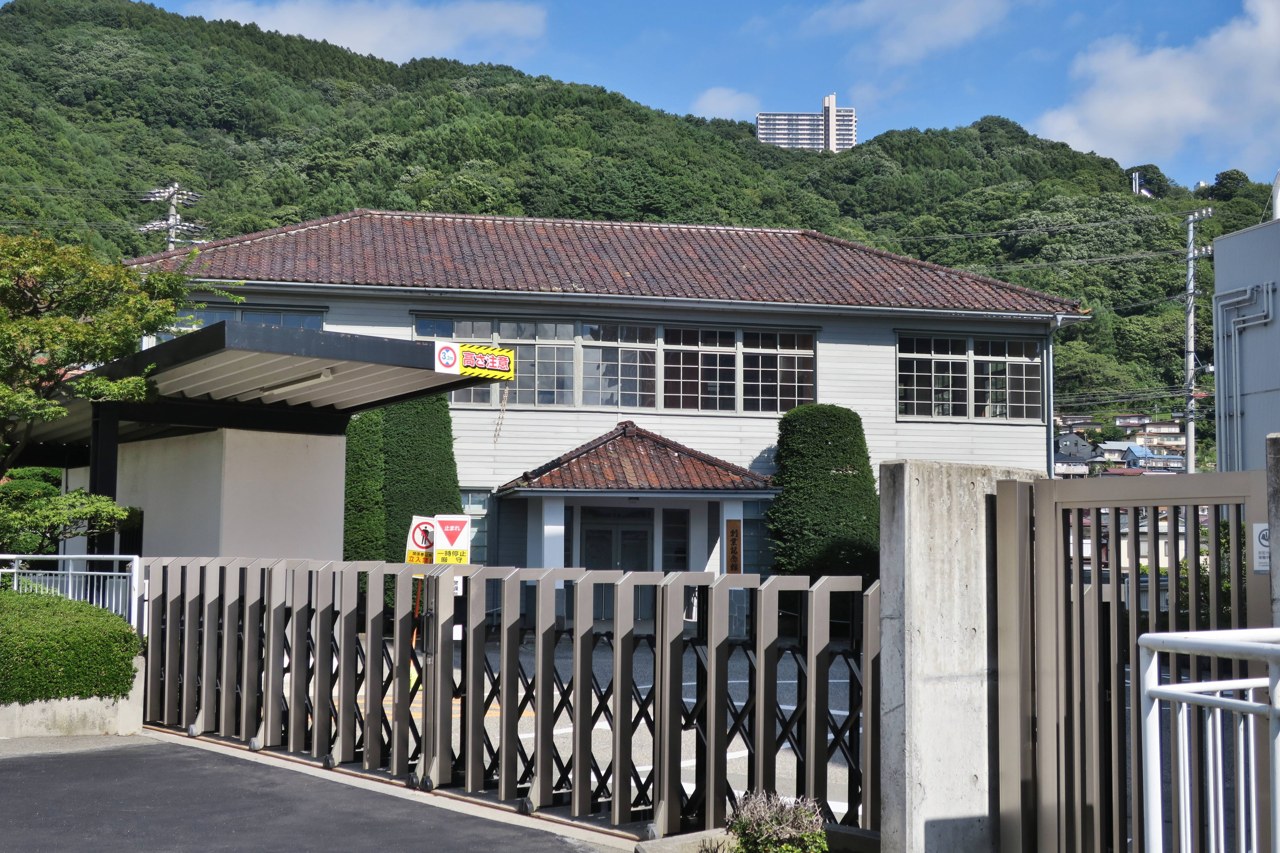
Figure 1. The Memorial Hall occupies the former Daiwa Kogyo office. Photographed on 24 September 2022 by Qurren. Source “Epson Museum Suwa.jpg”, Wikimedia Commons. Licence CC BY-SA 4.0. Reduced to 1,280 pixels wide and recompressed as a JPEG. The modified image carries the same licence.

An industrial area around the lake#
An industrial region formed around Lake Suwa, linking Suwa, Okaya and other places. Daiwa Kogyo began on the eastern shore of the lake in the city of Suwa. Silk reeling and metalworking, meanwhile, clustered across municipal boundaries. Suwa’s watch manufacture is the focus here, along with the wider industrial region that made it possible. 1 3
Water supply and transport explain why factories concentrated along the lake. The Nagano Prefectural Museum of History’s notes on the Hayashi family papers explain that silk reeling required large quantities of water. As factories grew in size, they were increasingly concentrated along Lake Suwa and the Tenryū River. The opening of the Chūō East Line in 1905 made it easier to bring cocoons and coal into Okaya and to recruit workers. 4
Another part of the administrative background to the papers is that the village of Hirano became the city of Okaya in 1936. 4
What passed from silk reeling to watchmaking#
Skills in keeping machinery running and new employment#
Silk reeling created work maintaining machinery, supplying parts and operating equipment. The Cabinet Office’s report on regional economies identifies metalworking associated with repair and parts supply for silk-reeling machinery as a basis for the development of general machinery manufacture. The wartime evacuation of factories brought additional equipment and skills. 1
Watchmaking capacity moved from cities and combined with the region’s existing machinery industry to form a manufacturing centre. The decline of silk reeling cost jobs, while freeing buildings and labour for new businesses. A study by the Organization for Small & Medium Enterprises and Regional Innovation identifies the Great Depression, competing fibres, the closure of markets and factory evacuation as factors in the transition. 2
Daiwa Kogyo and evacuated factories#
Daiwa Kogyo was founded in Suwa on 18 May 1942. Epson’s account of its origins describes Hisao Yamazaki’s effort to establish a new industry to take the place of declining raw silk production. The first watch-parts work started in a miso storehouse. 5
Watchmaking machinery was moved to Suwa during the war, and Shoji Hattori and others evacuated there in 1944. The regional study explains that engineers stayed in the area after the war and helped the watch industry take root. 6
In May 1959, Daiwa Kogyo took over the operations of Daini Seikosha’s Suwa plant, leading to Suwa Seikosha. Suwa Seikosha was the predecessor of Seiko Epson. 7 8
From watchmaking centre to electronics base#
Bringing mechanical watch precision to market#
The Marvel of 1956 and the first Grand Seiko of 1960 are representative of Suwa’s mechanical watchmaking. The Memorial Hall presents products from the women’s Type 5 watch to the Marvel and Grand Seiko as foundations of the business. In small mechanical watches, making components has to go hand in hand with adjusting the assembled watch. The factory’s work thus extended beyond supplying large numbers of small parts. 8 9
Seiko’s chronology records second and third places in the company awards for mechanical wristwatches at the 1967 Neuchâtel Observatory competition. Competing for precision went on alongside the development of retail watches. 8
New directions from quartz timing and recording#
During the 1960s, portable quartz clocks and more compact sports timing equipment were developed alongside improvements in mechanical accuracy. Epson’s product timeline lists the portable QC-951 quartz clock in 1963, support for official timing at the 1964 Tokyo Olympics, the compact EP-101 printer in 1968 and the Quartz Astron 35SQ in December 1969. Measuring time and recording the measurements expanded into separate product areas. 7
The effort to fit the technology into a wristwatch combined precision machining with quartz and electronic circuits. Watchmaking continued, and the skills developed through it spread to other products. 6 7
Subcontracting and changing markets#
The Cabinet Office report says that the move of large enterprises overseas began in the 1970s and accelerated after the 1985 Plaza Accord, encouraging smaller local businesses to become more independent. 1
The 2010 regional study looks at micromachining, jig making and equipment modification, the capabilities that sustained local subcontracting. It also examines the role of companies that established links with markets outside the region. A jig holds or positions a workpiece. Know-how about keeping a machining operation consistent can apply to new orders as products change. 2
Preserved buildings and a wider manufacturing region#
The former office as industrial heritage#
The former Daiwa Kogyo office on the eastern shore is a two-storey wooden building from 1945. It became a Registered Tangible Cultural Property on 27 February 2023. It has a tiled hip roof and continuous rows of windows on both floors. Cultural Heritage Online describes the office as a starting point for watchmaking in Suwa. The building in the photograph houses the story of the company’s origins and preserves physical evidence of its operations through the war and into the post-war period. 3
The office was renovated as the Memorial Hall and opened to the public on 18 May 2022. Epson Museum Suwa comprises the Memorial Hall and the Monozukuri Museum. The displays connect watches to machine tools, electronic devices and printers. 9 10
The Suwa name and the location of watchmaking today#
The continuation of watchmaking extends beyond the boundaries of the city of Suwa. Grand Seiko’s Shinshu Watch Studio is at Seiko Epson’s Shiojiri site in the city of Shiojiri. It makes Spring Drive and quartz watches, from developing movements and producing parts to assembly and adjustment. The studio in Shiojiri carries on work with roots in Suwa Seikosha. 11
Suwa’s watchmaking culture encompasses a change in local industry, the growth of companies and workshops, and efforts to preserve products and buildings. Both the original lakeside site and the manufacturing facilities across the wider Shinshu region tell that history.
Timeline#
| Date | Regional and watchmaking developments |
|---|---|
| Meiji period | Silk reeling grows around Lake Suwa, along with machine repair and parts supply. 1 |
| 1905 | The Chūō East Line opens, helping Okaya’s silk industry transport goods and recruit labour. 4 |
| From 1929 | Conditions for silk reeling deteriorate during the Great Depression and as markets change. 2 |
| 18 May 1942 | Daiwa Kogyo is founded in Suwa. 5 |
| 1944 | Daini Seikosha personnel evacuate to Suwa. 6 |
| October 1945 | The Daiwa Kogyo office is completed. It later becomes the Memorial Hall. 10 |
| 1956 | The Marvel goes on sale. 8 |
| May 1959 | Daiwa Kogyo takes over the operations of Daini Seikosha’s Suwa plant. 7 |
| 1960 | The first Grand Seiko goes on sale. 8 |
| 1963–1969 | The portable quartz clock, sports timing equipment, EP-101 and Quartz Astron reach production. 7 |
| From the 1970s | Large businesses expand overseas and small and medium-sized local companies seek new markets. 1 |
| November 1985 | Suwa Seikosha and its subsidiary Epson merge and take the name Seiko Epson. 7 |
| March 2010 | The Organization for Small & Medium Enterprises and Regional Innovation publishes a report on the industrial transition and competitiveness in the region. 2 |
| 18 May 2022 | The Memorial Hall at Epson Museum Suwa opens to the public. 10 |
| 27 February 2023 | The former Daiwa Kogyo office becomes a Registered Tangible Cultural Property. 3 |
| Checked in November 2026 | The museum in Suwa and the Shinshu Watch Studio in Shiojiri are described in their respective official materials. 9 11 |
Main sources#
Company histories, government reports and industrial studies document the transition from silk reeling to watches. The Nagano Prefectural Museum of History’s catalogue notes describe the Hayashi family papers. 4
Current information from the workshop and museum documents the continuation of watchmaking skills.
References#
Web sources accessed 13 November 2026.
1. Cabinet Office, Regional Economies 2004, “Meeting the challenge of globalisation: the approach of the Suwa and Okaya area”. Text.
2. Organization for Small & Medium Enterprises and Regional Innovation, How the interaction of technology and markets sustains an industrial cluster: why the Suwa region was able to remain competitive, March 2010. Summary and discussion in chapters 2 and 4. PDF.
3. Cultural Heritage Online, “Seiko Epson Memorial Hall (former Daiwa Kogyo office)”. Heritage record.
4. Nagano Prefectural Museum of History, “Suwa [3] / 3-32 Hayashi family papers, Hirano village, Suwa district”. Catalogue notes.
5. Epson, “Our Journey Chapter 1: It all began in Suwa”. Company origins.
6. Organization for Small & Medium Enterprises and Regional Innovation, report cited above, chapter 7, printed pp. 137–139, section on Daiwa Kogyo and Daini Seikosha’s Suwa factory. PDF.
7. Epson, “Corporate History”, entries from 1942 to 1989. Timeline.
8. Seiko Group, “Detailed History”, entries from 1956 to 1967. Timeline.
9. Epson, “Epson Museum Suwa: Facility Information”. Exhibitions.
10. Seiko Epson, “Epson Museum Suwa opens on the 80th anniversary, presenting the history of the company”, 18 May 2022. News release.
11. Grand Seiko, “Shinshu Watch Studio”. Studio profile.